


TERNET leaps barriers to global teaching and learning
What does a modern teaching and learning facility that is part of a global institution of higher learning need to have to stay in touch with its partner campuses in other parts of the world?
What does a modern teaching and learning facility that is part of a global institution of higher learning need to have to stay in touch with its partner campuses in other parts of the world?

‘Music Without Borders’ using LoLA low latency data transmission technology was enjoyed by Ministers and Ambassadors from around Europe and Eastern Partnership (EaP) countries.

The groundbreaking TAITAGIS project aims at building a critical mass of postgraduates equipped to overcome the huge human resource deficit in Applied Geoinformatics in Kenya and Eastern Africa.
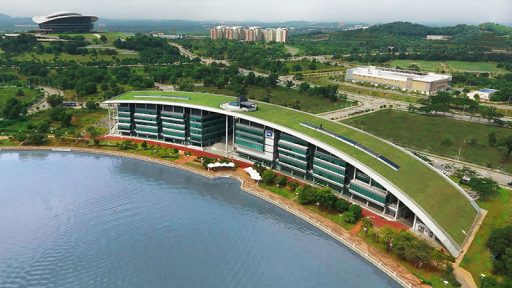
When Heriot-Watt needed a better connection at its campus in Malaysia, Jisc brokered a deal with local providers to achieve it – helping fulfil its vision of a ‘global university’
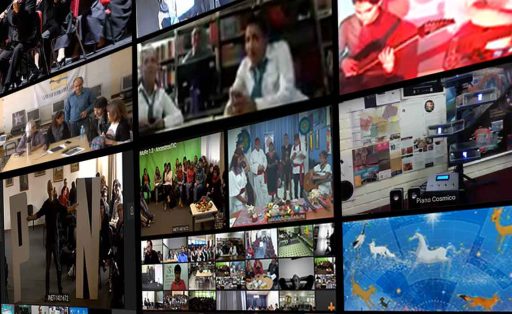
The Anilla Cultural Latinoamérica-Europa in Uruguay, a network of cultural facilities, coproduces online events using second-generation netowrking technologies and promotes both research on new uses of the Internet in cultural production and the exchange of content.

Students at Queen Mary University of London’s partner universities in China need seamless access to UK-hosted course materials – whether on campus or off. Here’s how Jisc helped improve their digital experience, by working with networks and providers behind the scenes.
Students at Kyambogo University in Uganda put their skills to good use building an application to improve services… and create a startup company ZEENODE, which results in jobs for themselves and the wider community along the way.

How Jisc helped improve the point-to-point link between the University of Hull and its China office – contributing to a rise in student recruitment

The Amazon is the largest and best-known center of biodiversity on the planet, but its forests are being lost at unsustainably high rates. Ongoing research in the Ecuadorian Amazon since the mid-1990s has resulted in concrete environmental benefits for the region and is now supported by a new connection between Ecuador and the United States.
Subscribe to our newsletter.
Submit a Story