A European collaboration using ultrasound tomography and DFN’s X-WiN network aims to develop radiation-free breast cancer screenings that better detect tumours, especially in dense tissue.
In a 2024 test, ESnet streamed raw physics data in real time from Jefferson Lab to a supercomputer 3,000 miles away, enabling instant analysis and simplified scientific workflows.
Denmark’s growing quantum ecosystem includes precise positioning research and a new centre for medical quantum sensing, with support from the NREN DeiC’s quantum initiatives.
NICT’s low-latency, on-device text-to-speech system now supports 21 languages on smartphones, enabling fast voice synthesis without an internet connection.
AARNet is supporting AIATSIS to preserve and share First Nations language and cultural collections through secure digital infrastructure and data services.
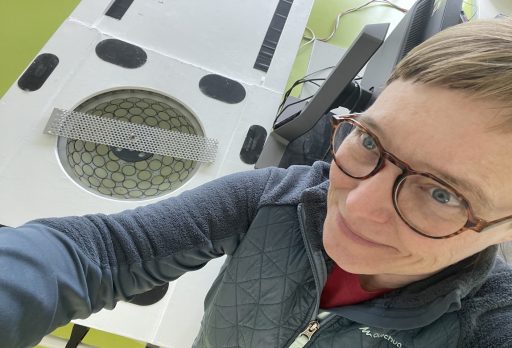
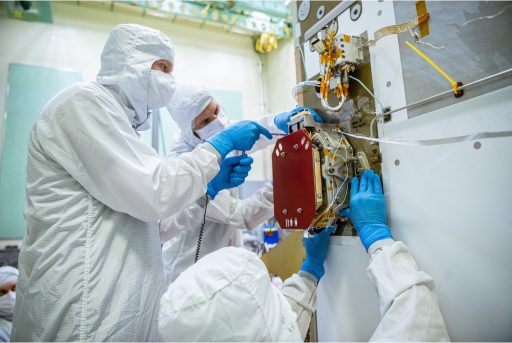
NASA’s PACE satellite is delivering data on aerosols and clouds that SURF will process to help scientists improve climate models and understand warming effects.
NREN engineers and ICIMOD researchers used wireless sensors at high altitude to monitor glacial melt and lake growth, improving climate data from remote Himalayan regions.
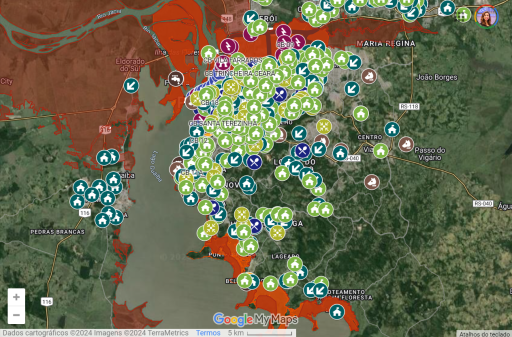
Severe flooding in southern Brazil disrupted university operations, with campuses closing and research paused as institutions and RNP supported emergency response efforts.
A Japanese research consortium involving NICT and partners has developed a 64-qubit quantum computer based on superconductivity.