


Virtual flying experience helps reduce fear of heights
A NICT study found that actively flying in virtual reality reduces fear responses to heights by creating a sense of safety through self-initiated action.
A NICT study found that actively flying in virtual reality reduces fear responses to heights by creating a sense of safety through self-initiated action.

Across Africa, mapping of Diamond Open Access journals highlights funding instability and infrastructure gaps that limit visibility of freely accessible research.

RedCLARA’s LACNet and partners are using blockchain infrastructure like AgroWeb3 to connect smallholder farmers with markets and climate adaptation solutions.

High-resolution simulations on SURF’s Snellius supercomputer are modelling aeroacoustic noise to help engineers design quieter aircraft, drones and turbines.

Improved weather forecasts for wind and solar energy are being developed using AI and supercomputing, with support from Denmark’s NREN DeiC.

Brazil’s VLibras avatar toolkit helps students with hearing impairment access educational content, with support from the national NREN RNP and academic partners.
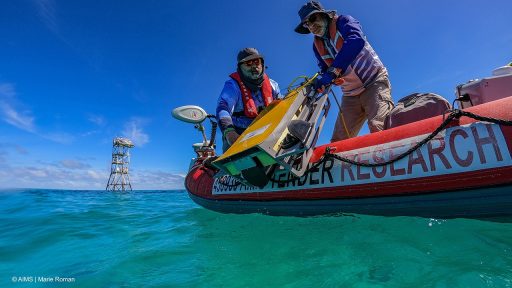
High-speed data transfers using AARNet’s FileSender help AIMS and CSIRO move reef survey data to train AI models detecting Crown-of-Thorns starfish.

NICT’s optical testbed shares network telemetry for AI and machine learning research, improving automation and resilience in modern optical networks.

With support from Brazil’s NREN RNP, a startup uses AI and virtual reality games to boost stroke rehabilitation outcomes and motivation for patients at home.

DigiFarm used CSC’s LUMI supercomputer to run AI and data models for agriculture, helping optimise resource use and improve crop yield and efficiency.

SURF’s Green Village Data Platform brings real-time sensor data together for sustainability experiments at TU Delft’s living lab, enabling collaboration and practical innovation.
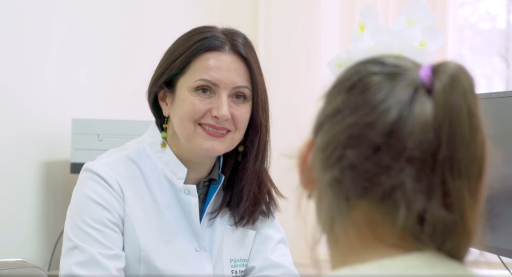
Moldova’s NREN RENAM enabled a national digital colposcopy network that uses telemedicine to expand cervical cancer screening access across regional hospitals.
Subscribe to our newsletter.
Submit a Story