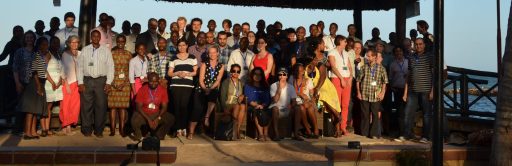
African scientists have begun to study genomic influences on disease across their continent, and the Pan African bioinformatics network H3ABioNet supports much of their research, using videoconferencing to bring researchers together across vast distances.
“Diseases don’t know boundaries or country codes, we have to build systems that allow researchers to collaborate internationally,” says Professor Richard Sinnott. With that goal in mind, he established the endocrine genomics virtual laboratory – endoVL, which allows researchers to draw on large enough cohorts to conduct studies with real statistical power.
Participants at the 3rd TEIN/APAN Dengue Fever workshop on 24 January in Manila reaffirmed their commitment to join forces with research and education networks to combat Dengue Fever and other infectious diseases such as Zika. Plans include developing a digital platform to exchange data and working towards an outbreak prediction model.
A full set of one person’s DNA data requires a stack of 50 DVDs while a large study with 1,000 patients can be hundreds of terabytes of data. This makes it impractical to transfer genomic data using traditional methods, challenging to store it, and virtually impossible to use it without advanced research and education networks like CANARIE, sophisticated software tools, and high performance computing facilities.
New technologies for deep sequencing of DNA and RNA are paving the way for unprecedented opportunities in genomic medicine. Norwegian medical scientists enlist the Abel supercomputer in Oslo to transform numbers and genome sequences into improved and more personalized cancer treatment.
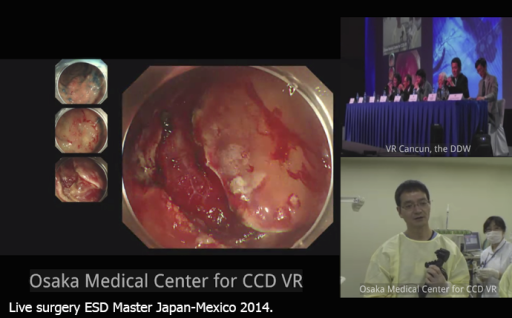
Engineers and medical doctors from a number of institutions in Mexico participate in telemedicine projects with their peers in Asia that enable the exchange knowledge and development of new techniques to help with the diagnosis and treatment of diseases.
The surgeons at Seoul National University Bundang Hospital, Korea, are pioneers in minimally invasive surgery. Through live streaming of operations Prof. He-Seong Han and his staff have been able to train hundreds of surgeons across Asia, without need or cost for them to travel to Korea.
Whenever she needed to do an eye examination, seamstress Ana do Nascimento used to wake up before sunrise, take a bus that took two hours to get to downtown Goiânia and spend the entire morning in a public hospital. Today, thanks to ICT, the “examination day” is no more than 30 minutes.
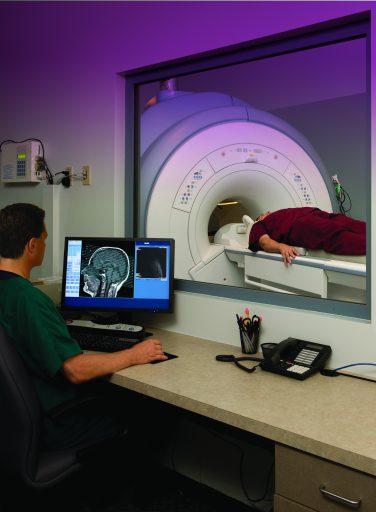
90% of the world’s 50 million epilepsy sufferers live in developing countries and a large minority need surgery as the only effective treatment. Thanks to the power of high-capacity R&E networks, the outlook for millions of epilepsy sufferers is being dramatically transformed and the costs of treatment substantially reduced.