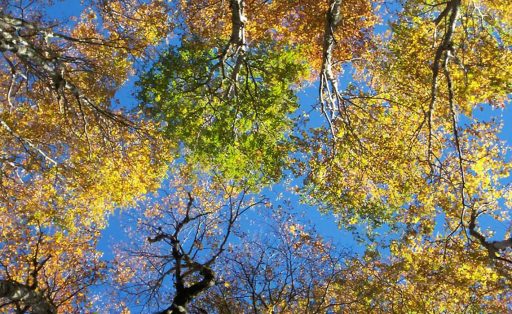
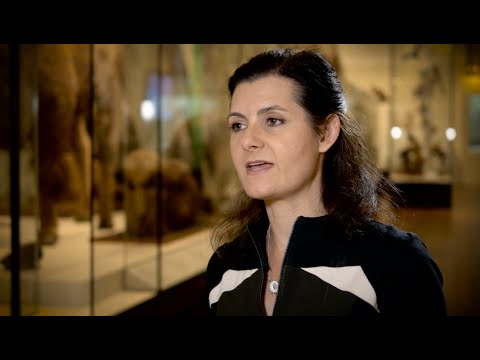
Dr. Javier Sellanes, a professor at the Universidad Católica del Norte is manager of the project that gave life to Pandora, the platform that manages a distributed repository network for the conservation of information related to biodiversity in Chile, including over 30 thousand species of flora and fauna.
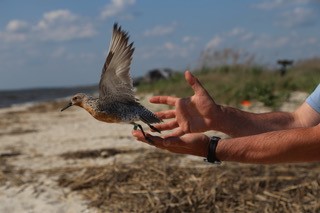
To encourage national and international collaboration, the Motus web portal will make data summaries and visualizations of bird migration tracking data, captured by the small Motus radio transmitters affixed to individual birds, publicly available for education and citizen science purposes.
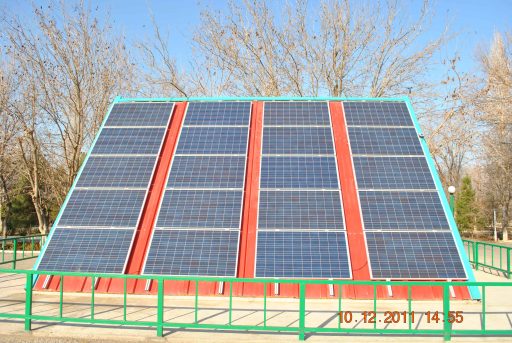
Developing alternative, greener energy sources is a key priority across the world but many countries don’t have the infrastructure and skills needed to create renewable energy industries from scratch. Technology, and in particular research networks, can help develop these skills, transferring knowledge to build the industry.
Researchers at the Peter MacCallum Cancer Centre in Melbourne wanted to know why there were an increasing number of patients – about a third of them women – being diagnosed with certain types of lung cancer when none of them had smoked and their families had no history of cancer. They turned to big data analytics.
REANNZ, Unitec, NIWA and Wuhan University are working collaboratively to address the concerning issue of air pollution, via an innovative three-year project that incorporates high-end environmental science, and cutting-edge Internet technology.
“Without Science DMZ, our laboratories would be isolated islands,” says Ana Benko-Iseppon, a Brazilian researcher working on the global project to develop more environmentally adapted cultivated forms of the black-eyed bean.
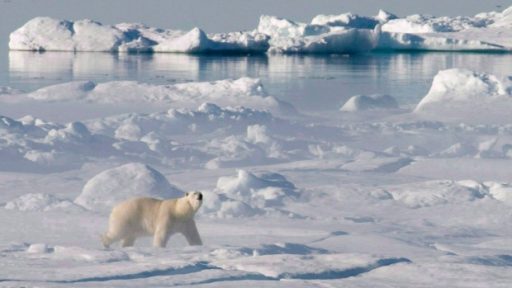
ArcticConnect collects data from temperature and dewpoint sensors at research stations throughout the Arctic Circle — including those that provide near-real time data — for visualization, information sharing, and collaborative analysis.
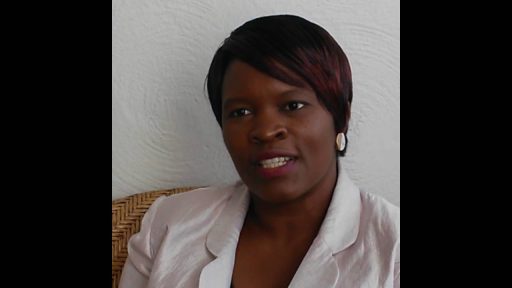
High bandwidth and seamless access to local and global data is key to effective soil observation and resource mapping. Dr Lydia Chabala from the University of Zambia explains how ZAMREN is bringing her research to the next level, thus enabling her and fellow scientists to provide input to sustainable land management policies.
Access to cloud services, such as high-performance computing and storage, that are impractical for the museum to house on site is significantly improving the analysis process and the way data is shared between Koala Genome Project partners, opening the door to new insights for conservation and protection.