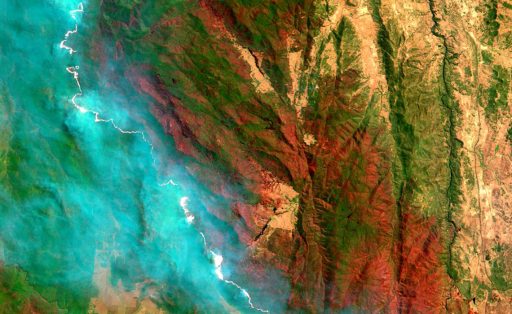
Digital Earth Australia, a ground-breaking open source platform, transforms spatial data and satellite imagery into easily accessible tools for planning and decision making, and relies on AARNet for moving data around the research community.
The Square Kilometre Array, known as the SKA, will become the world’s biggest radio telescope, surveying the sky ten thousand times faster than ever before.
A new genomics resource has been established to help understand and protect Australia’s unique reptiles and amphibians.
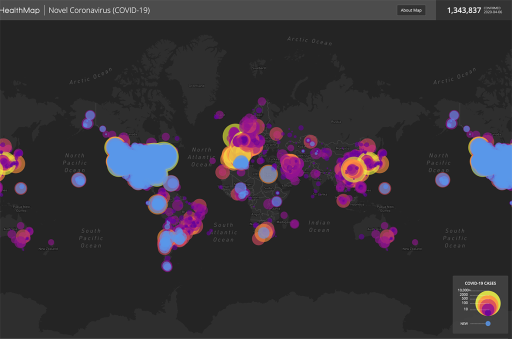
In the past few months data about the COVID-19 pandemic has been collected, aggregated and analysed at a rapid pace. As data is collected, published and updated daily worldwide, the coronavirus outbreak may become the most visualised data ever. COVID-19 Open To help improve the timely access to data in the COVID-19 emergency the World…
The global network of interconnected National Research and Education Networks is boosting international capacity where needed as part of the global rapid response to the recent novel coronavirus disease (COVID-19) outbreak.
The international iPSYCH project identifies genes related to specific mental illnesses to inspire development of better medicine and earlier diagnosis.
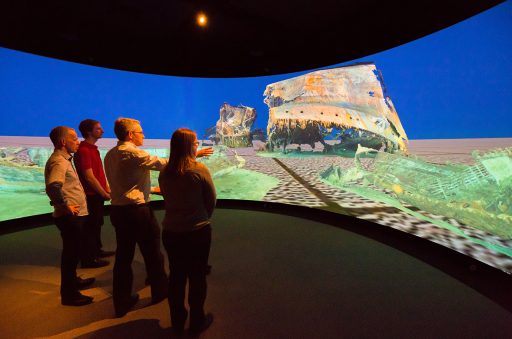
An ambitious project is creating digital 3D reconstructions of shipwrecks for virtual underwater heritage museum experiences
Australian scientists on the hunt for gravitational waves rely on AARNet for transferring data from LIGO detectors in the USA to OzGrav nodes in Australia for analysis.
Three UK universities had a similar, but complex, challenge when trying to set up a jointly-taught partnership with a Chinese university, starting in 2016–17.