


Groundbreaking testbed improves network resilience
NICT’s optical testbed shares network telemetry for AI and machine learning research, improving automation and resilience in modern optical networks.
NICT’s optical testbed shares network telemetry for AI and machine learning research, improving automation and resilience in modern optical networks.

A Japanese study by NICT found that people make riskier decisions when observed by avatars rather than humans, linked to changes in emotional brain responses.
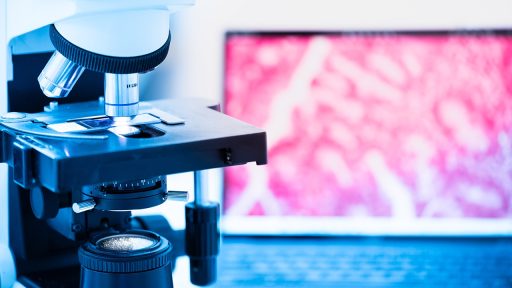
A joint AI project by DOST-ASTI and CerviQ is training deep learning models on cervical images to support early cancer detection and expand screening nationwide.

Upgraded smart buoys in the Philippines now monitor water quality like dissolved oxygen and temperature to help detect fish kill conditions early and protect aquaculture.

BdREN and APAN’s localized FileSender tool lets researchers and students across the Asia Pacific exchange large files securely in more than 20 languages.

BdREN has expanded eduroam Wi-Fi access to Sylhet and Chittagong airports after Hazrat Shahjalal, letting students, researchers and staff stay connected on the go.

BdREN, DrukREN, LEARN and Nepal’s NREN formed SEACREN and secured discounted Zoom access for member institutions to support regional research and learning.
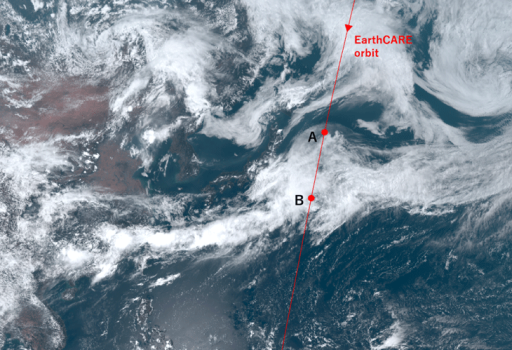
EarthCARE’s spaceborne cloud radar made the first global measurements of vertical cloud motion, offering data that could improve weather prediction and climate models.

NICT’s low-latency, on-device text-to-speech system now supports 21 languages on smartphones, enabling fast voice synthesis without an internet connection.
Subscribe to our newsletter.
Submit a Story