By using sophisticated Big Data based geospatial software researchers have revealed a remarkable development: Between 2000 and 2015, housing with improved water and sanitation, sufficient living area and durable construction has doubled in sub-Saharan Africa.
Highly networked planetariums are using “domecasting” — live broadcasting a planetarium show to audiences at other planetariums — to share the latest cosmic discoveries.
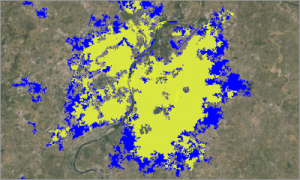
Researchers at the University of California San Diego used satellite images from multiple sources to map and understand city growth patterns in India, with the help of computers trained to distinguish types of growth. The technology is also being used to identify refugee camps and schools in Africa.
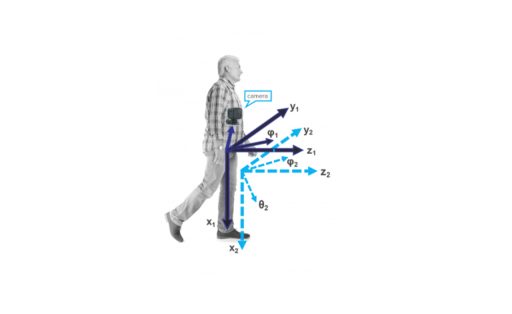
Researchers in the United States are developing intelligent devices that predict and prevent deadly falls among the elderly by using machine learning.
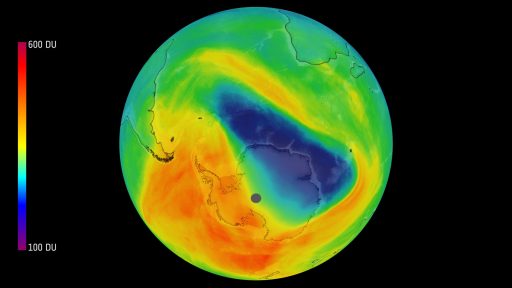
For the first time, air pollution from individual cities and built-up areas can be detected from space. The European Sentinel-5 Precursor Earth observation satellite sends ultra precise measurement data to ground stations in Norway and Canada.
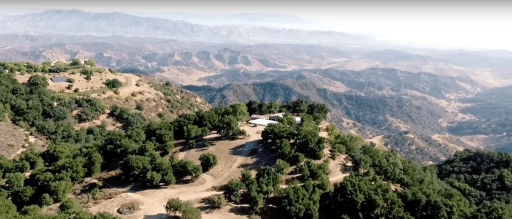
Broadband helps farmers and students in California’s Central Valley use technology and develop skills to improve the agriculture economy.
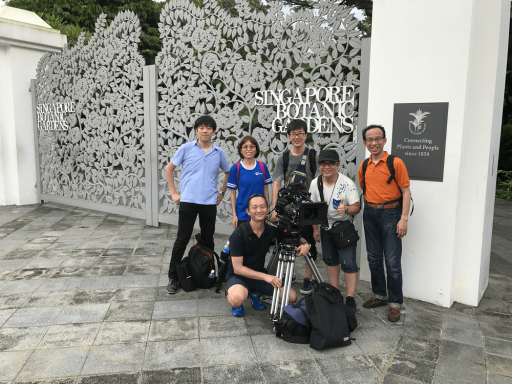
In February 2018 spectators in Singapore were enchanted by crystal clear video images of the Sapporo Snow Festival in Japan whilst viewers in Japan could remotely take in the beauty of Singapore’s iconic Botanic Gardens: long-distance cultural exchange powered by cutting-edge video technology and high-speed R&E network links.
Many scientists are still moving hard drives or USB flash drives around although they don’t need to. They have a high-speed Research & Education Network at their service, but they are not taking full advantage of the networking resources available to them. This is where the Science Engager comes in.
How do you screen billions of drug compounds to find the right one? Connect a research team at the University of Alberta with a supercomputer 2,700 km away in Ontario using Canada’s high-speed national research and education network. Leveraging this powerful infrastructure, Dr. Michael Houghton and colleagues are speeding up the time it takes for life-saving drugs to be identified from months or years to weeks.