Leigh Orf from the University of Wisconsin-Madison leads a group of researchers specialised in re-creating meteorological events leading up to the forming of tornadoes. Built on real-world observational data, the computer simulations unveil the inner workings of these monstrous events in unprecedented detail.
On 19 April 2017 the ‘Rock’ asteroid made an uncomfortably close pass to Earth – the closest in 400 years. The first step to protecting against such hazards is to monitor them to calculate their precise orbits; this requires fast, reliable internet connections so that the huge volumes of observation data involved can be sent speedily and reliably to researchers around the world for analysis.
Today’s scientists are riding an unprecedented wave of discovery, but the immensity of the data needed to facilitate many of these breakthroughs is creating internet roadblocks that are becoming increasingly detrimental to research. With an eye to the future, Clemson University researchers are playing a leading role in developing state-of-the-art methods to transfer these enormous data sets.
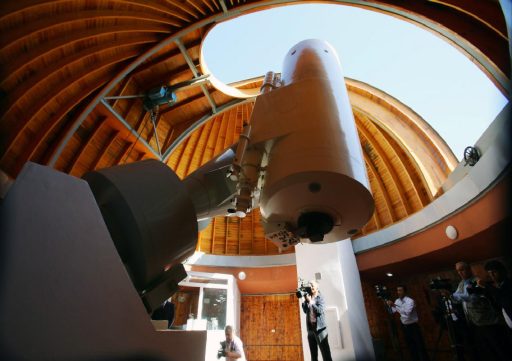
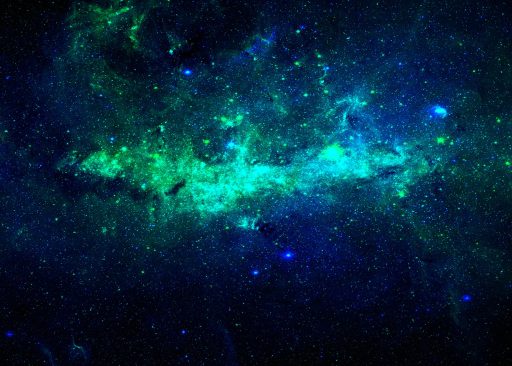
Astronomy has come a long way from the days of Galileo Galilei looking through a telescope to the skies. Major science infrastructures such as the Hubble Space Telescope and telescope arrays, including the forthcoming Square Kilometer Array, create huge amounts of research data for scientists across the world to explore and explain the cosmos.
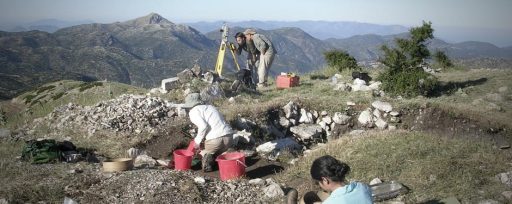
Answering questions about the origins of Greek culture and athletics are at the heart of the Mt. Lykaion Excavation and Survey Project in Arcadia, Greece. Collaborative efforts within the R&E networking community have helped make the lives of the many archeologists in the field easier by bringing high-speed internet to the site.
Shortly after filming Schindler’s List, Steven Spielberg established the Shoah Foundation to document the experiences of Holocaust survivors and witnesses of other genocides via video testimony. High-speed R&E networks combined with high-capacity data storage contribute to ensuring digital preservation of these historic memories.
Instead of managing a vast amount of user names and passwords we want one digital identity, a “passport” reusing login information and giving us secure and easy access to all the services and resources we require to study, do research, and collaborate with colleagues across borders.
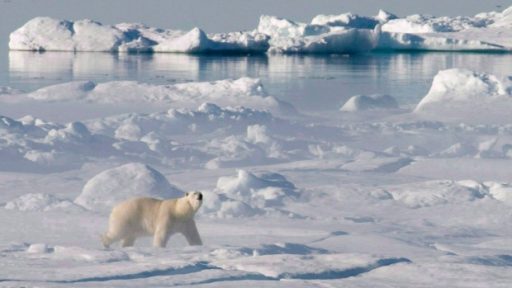
ArcticConnect collects data from temperature and dewpoint sensors at research stations throughout the Arctic Circle — including those that provide near-real time data — for visualization, information sharing, and collaborative analysis.
Realizing that rapid review of game play was the best way for players to improve their technique, the Penn State men’s volleyball coach sought a cost-effective, portable means for the team to study game footage and exchange notes on the go. Enter NET+ Box, made available to Penn State through its membership in Internet2.