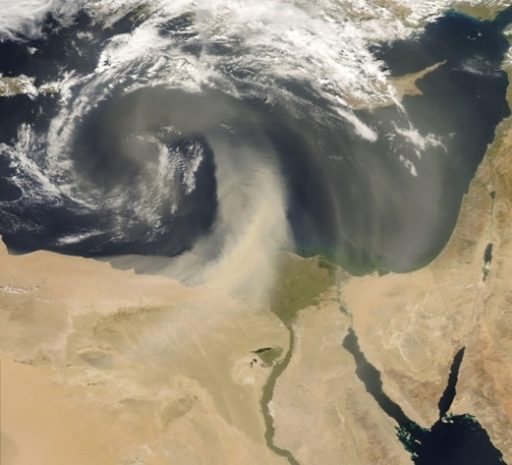
Frequent in arid regions, dust storms can have devastating effects. Powered by R&E connectivity, monitoring and simulations equip scientists to better predict them and assist authorities in issuing alerts to help people, particularly asthma sufferers, take protective action.
The Amazon region is one of the ecosystems on the planet most affected by global climate change. The reason is variations in the Ecuador line cause events like floods, droughts and storms that directly affect the environment and the local population.
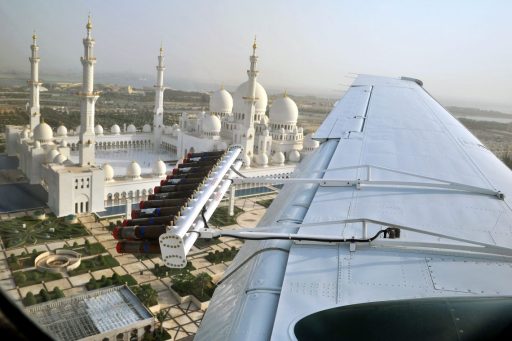
Not many people could be described as a rainmaker quite as literally as Hannele Korhonen. Korhonen, a research professor at the Finnish Meteorological Institute, is heading a project that aims to improve artificial rainmaking in the United Arab Emirates.
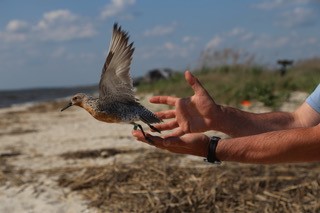
To encourage national and international collaboration, the Motus web portal will make data summaries and visualizations of bird migration tracking data, captured by the small Motus radio transmitters affixed to individual birds, publicly available for education and citizen science purposes.
As weather forecasts are becoming increasingly detailed, data volumes are increasing as well, demanding high-speed connectivity and supercomputing power.
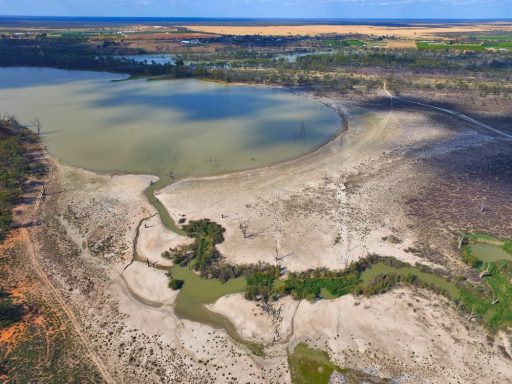
“Water is fundamental to our lives, for food production, and for the health and prosperity of our cities. Both Australia and China face similar challenges around the pro.vision of water in rural and urban areas and for several years we have been working together to find sustainable solutions for water resource management that benefit both nations,” says Professor John Langford.
The Indian summer monsoon is a manifestation of complex interactions between land, ocean and atmosphere and the simulation of its mean pattern and its variability on inter-annual scales is one of the challenging problems in climate studies. The correct prediction of this complex phenomenon is vital to national planning and economic policy making.
Have you ever stopped to think about how weather and climate research influence your daily life? “This science has a direct impact on the daily lives of us all, from small decisions, such as whether to bring a coat or an umbrella or not, to government analyses, such as whether there will be enough water in the reservoirs of the dams of the hydroelectric power plants to produce electricity.”
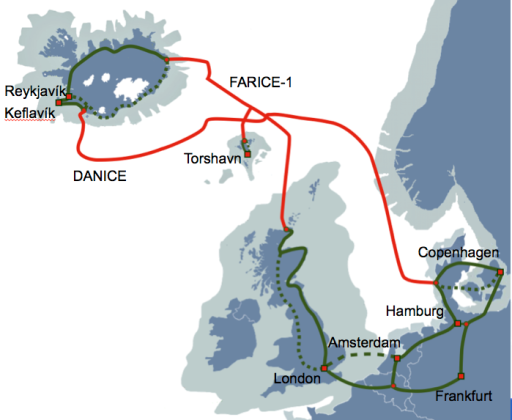
Three research networks are working together to provide the lifeline of a new meteorology supercomputer running on renewable energy. Through a 10 Gbps redundant fiberoptic cable running 2250 km across the North Atlantic, the Danish Meteorology Institute in Copenhagen connects to its new supercomputer located on Iceland.